.png)
Key takeaways:
The landscape of creative agency software has reached a critical inflection point. With the creative software market valued at USD 8.73 billion in 2024 and agencies facing unprecedented pressure to deliver more with less, choosing the right tools has never been more crucial. Creative agencies that invest wisely in their tech stack report 30% higher ROI on digital initiatives compared to those using disconnected tools. This comprehensive guide examines the 5 best creative agency software solutions for 2026, providing the insights you need to transform your agency's operations.
The Current Challenge: Why Generic Tools Fail Creative Teams
Creative agencies operate in a unique ecosystem where artistic vision meets business reality. Traditional project management tools weren't built for the iterative nature of creative work, the complexity of client feedback loops, or the financial intricacies of agency billing. With 95% of businesses having implemented SaaS technologies, agencies are drowning in tool overload rather than finding efficiency.
The consequences are measurable. Agencies using generic tools report constant context switching between platforms, lost billable hours due to poor time tracking, and client dissatisfaction from lack of visibility. Meanwhile, agency leaders are reporting improved market conditions in 2025, creating opportunity for those who can execute efficiently.
The Strategic Framework: What Makes Great Creative Agency Software
Before diving into specific solutions, understanding what separates purpose-built creative agency software from generic alternatives is essential. The best platforms share several critical characteristics that directly address agency pain points.
Integration depth stands paramount. With 95% of IT leaders reporting integration hurdles as their primary technology challenge, seamless connectivity between project management, time tracking, resource planning, and financial systems becomes non-negotiable.
Visual workflow capabilities matter significantly for creative teams. Research shows that visual project organization methods benefit creative teams by reducing cognitive load and improving collaboration. The ability to see project status at a glance, understand resource allocation visually, and track creative iterations through intuitive interfaces separates professional tools from amateur ones.
Financial intelligence built into the platform transforms agency profitability. Real-time project margin tracking, automated invoicing based on tracked time, and predictive resource planning help agencies maintain healthy margins while scaling operations.
Implementation Tactics: The Top 5 Creative Agency Software Solutions
1. Ravetree: The All-in-One Agency Operating System
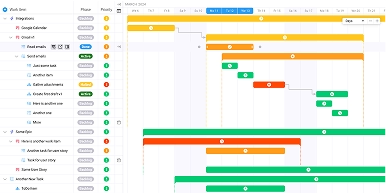
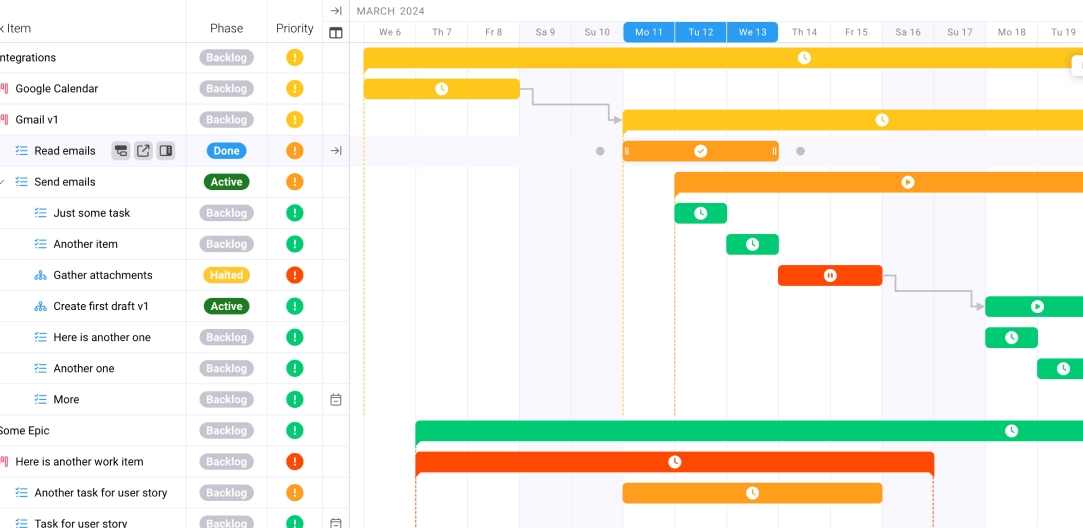
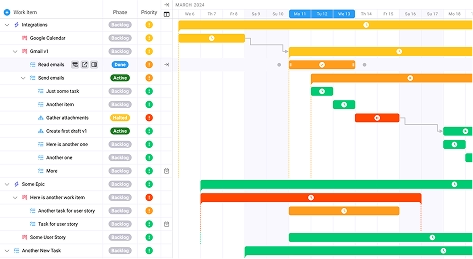
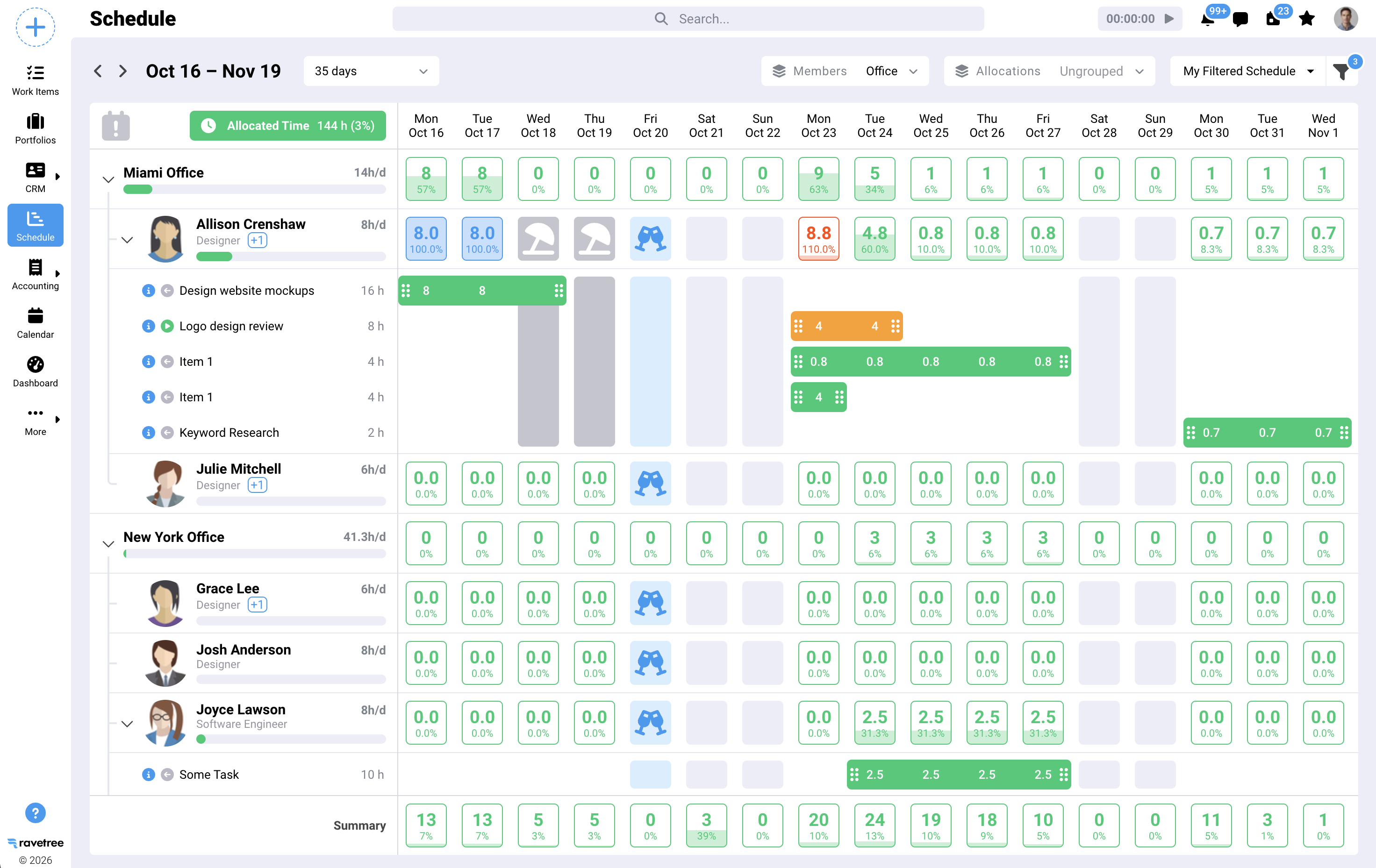
Ravetree stands out as the most comprehensive solution for creative agencies seeking to consolidate their tech stack. Unlike tools that excel in single areas, Ravetree provides an integrated platform covering project management, resource planning, time tracking, billing, and CRM functionality.
What distinguishes Ravetree is its deep understanding of agency workflows. The platform's comprehensive approach to agency management includes customizable project templates specific to creative deliverables, automated resource forecasting that prevents team burnout, and client portals that streamline feedback and approvals.
The financial management capabilities prove particularly powerful. Ravetree automatically tracks project profitability in real-time, comparing actual hours against budgets and flagging at-risk projects before they become problems. This proactive approach helps agencies maintain margins while delivering exceptional work.
Integration capabilities extend the platform's value. Ravetree connects seamlessly with QuickBooks and Xero for accounting, Google Drive for file management, HubSpot, and more, creating a unified ecosystem that eliminates data silos and reduces administrative overhead.
2. Trello: Visual Simplicity for Small Creative Teams
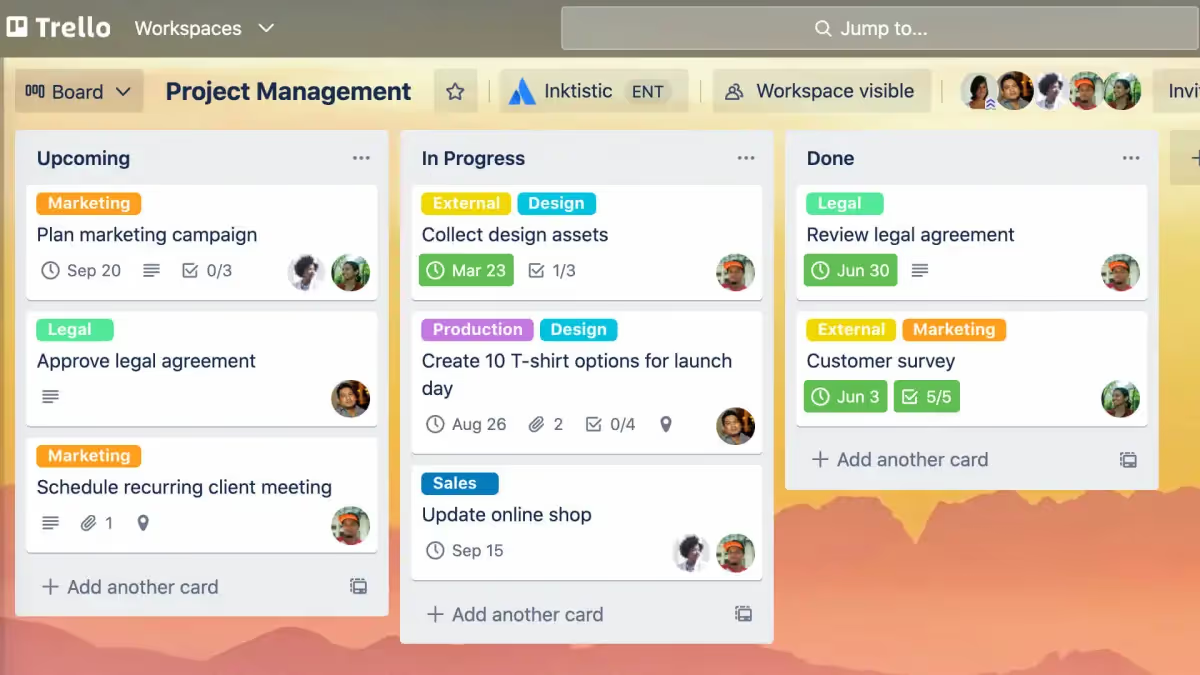
Trello revolutionized project management with its card-based Kanban system, and for small creative teams or freelancers, it offers an accessible entry point into organized project management software. The visual nature of Trello boards aligns naturally with how creatives think about workflow stages.
The platform excels in its simplicity. Creative teams can set up boards representing different clients or campaigns, with cards moving through stages like "Concept," "Design," "Review," and "Approved." This visual progression provides instant clarity on project status without diving into complex reports.
Power-Ups extend Trello's capabilities significantly. Butler automation reduces repetitive tasks, while integrations with tools like Slack and Google Drive keep communication and files connected. The calendar view helps teams visualize deadlines across multiple projects.
However, Trello's limitations become apparent as agencies grow. The lack of native time tracking, resource management, and financial features means agencies must rely on third-party integrations, creating the very fragmentation that comprehensive platforms like Ravetree avoid.
3. Asana: Feature-Rich Platform for Process-Driven Agencies
Asana brings structure to creative chaos through its robust task management and workflow automation capabilities. For agencies with established processes and larger teams, Asana provides the framework to scale operations systematically.
The platform's strength lies in its flexibility. Agencies can view work through multiple lenses - timeline for Gantt charts, boards for Kanban workflows, or lists for detailed task management. Custom fields enable tracking of creative-specific metrics like revision rounds or approval stages.
Workflow automation in Asana reduces manual coordination significantly. Rules can automatically assign tasks when projects move stages, notify stakeholders of updates, or create recurring tasks for regular client work. Forms streamline creative brief intake, automatically converting submissions into actionable projects.
Yet Asana's complexity can overwhelm smaller teams. The learning curve is steeper than visual tools like Trello, and achieving full value requires dedicated time for setup and training. Agencies also need additional tools for comprehensive time tracking and invoicing.

4. Basecamp: Simplified Communication Hub for Client Collaboration
Basecamp takes a fundamentally different approach, prioritizing communication and collaboration over feature density. For agencies where client interaction and team communication are paramount, Basecamp offers refreshing simplicity.
The platform organizes work into projects, each containing six core tools: Message Board for announcements, To-dos for task management, Schedule for deadlines, Docs & Files for assets, Group Chat for quick discussions, and Check-in Questions for regular updates. This focused approach reduces feature overwhelm.
Hill Charts, Basecamp's unique progress visualization, show not just what's being worked on, but whether work is in the problem-solving phase or moving toward completion. This nuanced view helps agencies communicate progress more effectively to clients.
The flat-rate pricing model makes Basecamp particularly attractive for growing agencies. Unlike per-user pricing that penalizes growth, Basecamp's model encourages bringing everyone into the platform, including clients and contractors.

5. Monday: Customizable Work OS for Diverse Creative Needs
Monday.com positions itself as a Work OS rather than just project management, offering extensive customization to match any agency's unique workflow. This flexibility makes it powerful for agencies with diverse service offerings or complex processes.
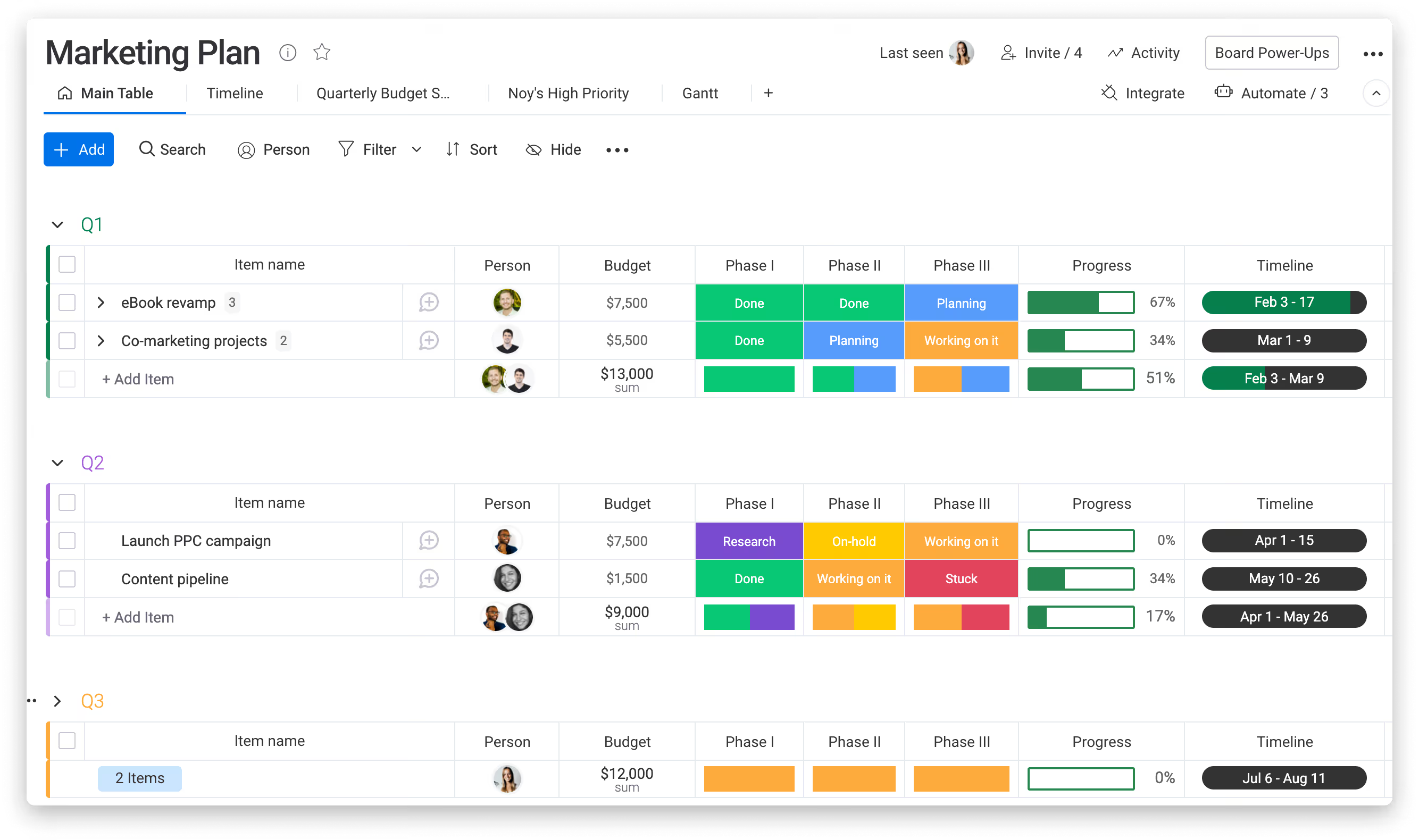
The platform's building blocks approach lets agencies construct exactly what they need. Boards can represent projects, clients, or campaigns, with columns tracking anything from creative approval status to budget utilization. Multiple views of the same data help different stakeholders see relevant information.
Automation recipes in Monday reduce manual work significantly. Agencies can create custom automations that match their specific processes, from automatically creating tasks when deals close to notifying team members when their input is needed.
The visual appeal of Monday resonates with creative teams. Color-coding, status indicators, and progress tracking create an intuitive interface that reduces training time and increases adoption rates across the organization.
Measuring Success: KPIs That Matter for Creative Agency Software
Implementing creative agency software without measuring its impact wastes opportunity. Successful agencies track specific metrics to ensure their technology investment delivers returns.
Utilization rates reveal whether teams are working efficiently. With most agencies tracking time across all projects, understanding billable versus non-billable time becomes crucial for profitability. Effective software should increase billable utilization by reducing administrative overhead.
Project profitability metrics expose which clients and project types drive agency success. Real-time margin tracking helps agencies make informed decisions about pricing, scope, and resource allocation. The critical factors for agency software selection include the ability to track these metrics without manual calculation.
Client satisfaction scores improve when agencies use integrated platforms. Faster response times, clearer communication, and on-time delivery all increase when teams work from unified systems rather than juggling multiple tools.
Employee satisfaction often overlooked, directly impacts agency performance. Tools that reduce frustration, eliminate repetitive tasks, and provide clarity on priorities lead to happier, more productive teams.
Future Considerations: Preparing for the Next Evolution
The creative agency software landscape continues evolving rapidly. With 78% of global enterprises having deployed AI systems and 85% of organizations having integrated AI agents, agencies must choose platforms positioned for the future.
AI integration will become table stakes. Platforms that incorporate AI for project estimation, resource optimization, and content generation will provide competitive advantages. Creative agencies need specialized project management approaches that embrace these technological advances while maintaining the human creativity that defines agency work.
The creative management platform market is projected to grow to $2.07 billion by 2032, indicating sustained investment in purpose-built solutions. Agencies choosing platforms now should evaluate vendors' roadmaps and commitment to innovation.
Remote and hybrid work models require robust collaboration features. Platforms must support distributed teams seamlessly, with mobile access, asynchronous communication tools, and cloud-based file management becoming essential rather than optional.
Conclusion
Selecting the right creative agency software for 2026 requires balancing current needs with future scalability. While Ravetree offers the most comprehensive solution for agencies seeking an all-in-one platform, each tool serves specific agency types and growth stages effectively. The Agency Management Software Market size, estimated at USD 4.30 billion in 2024, reflects the critical importance of these technology decisions.
Success comes from matching platform capabilities to agency requirements, ensuring seamless integration with existing tools, and committing to proper implementation and adoption. As creative agency software continues evolving, agencies that invest in purpose-built solutions position themselves for sustainable growth and profitability. The right platform doesn't just manage projects – it transforms how agencies operate, collaborate, and deliver value to clients.
Frequently Asked Questions
What is the average cost of creative agency software?
Creative agency software pricing varies significantly based on features and team size. Entry-level platforms like Trello start at $5-10 per user monthly, while comprehensive solutions like Ravetree typically range from $29-39 per user monthly. Enterprise solutions can exceed $100 per user monthly with custom features and support.
How long does it take to implement agency management software?
Implementation timelines depend on platform complexity and agency size. Simple tools like Trello can be operational within days, while comprehensive platforms typically require 2-4 weeks for full implementation including data migration, training, and workflow optimization.
Should small agencies invest in comprehensive software or start simple?
Small agencies should evaluate their growth trajectory. If planning rapid expansion, investing in scalable platforms like Ravetree prevents costly migrations later. Agencies with stable size might succeed with simpler tools initially, upgrading as needs evolve.
What's the difference between project management and agency management software?
Project management software focuses on task tracking and deadlines. Agency management software includes additional capabilities like resource planning, time tracking, invoicing, and client relationship management specifically designed for service-based businesses.
How do agencies typically measure ROI on software investments?
Agencies measure software ROI through increased billable hours, reduced project overruns, faster invoice collection, decreased administrative time, and improved client retention rates.
Is cloud-based or on-premise software better for creative agencies?
Cloud-based solutions dominate the agency space due to remote work support, automatic updates, and lower IT overhead. On-premise solutions rarely justify their complexity for modern agencies.
What features are essential vs nice-to-have for creative agencies?
Essential features include project management, time tracking, and basic reporting. Nice-to-have features include advanced automation, AI assistance, and specialized creative review tools.
Can agency software help with new business development?
Yes, platforms, such as Ravetree, with integrated CRM capabilities track leads, proposals, and conversion rates, helping agencies optimize their sales process alongside project delivery.