
Key takeaways:
- Your reason for leaving Teamwork decides the category: finance gaps call for an all-in-one or PSA platform, complexity calls for a lighter tool.
- Price the tier you'll need in 18 months, including seat minimums, per-agent rates and usage fees.
- Task-first Teamwork alternatives answer "is it done?" but rarely "did it make money?"
- For agencies with retainers, rate cards and capacity questions, Ravetree's single-tier, all-in-one model is the strongest fit on this list.
Most agencies don't leave Teamwork.com because it stopped working. They leave because a renewal quote landed, someone did the math on the next pricing tier, and the account director asked a question nobody could answer from inside the tool: which of our retainer clients actually made money last quarter? If that sounds familiar, you're probably shopping for Teamwork alternatives, and this list of the 16 Best Teamwork Alternatives in 2026 is built around one idea. The right replacement depends far less on features than on why you're leaving.
That's not a throwaway line. A 12-person design studio frustrated by a cluttered interface needs a completely different tool than a 70-person consultancy whose finance lead is tired of exporting timesheets into a spreadsheet every month. Put them on the same shortlist and one of them will buy the wrong product.
So before the list, a short detour into the reasons people actually switch, and what each reason should do to your shortlist.
Why teams actually leave Teamwork (and why the reason matters more than the feature list)
Teamwork.com is a capable product for client work. It has a generous approach to guest users, solid templates, and a learning curve most teams handle in a week. Nobody on this list is replacing a bad tool. They're replacing a tool that no longer fits.
In practice, departures cluster around three triggers.
1. The tier jump. Teamwork prices in steps. Using the plan figures cited in a head-to-head comparison by Ravetree, the Deliver plan runs $10.99 per user per month billed annually, Grow is $19.99, and Scale is $54.99, with capabilities like custom fields, workload management and deeper reporting sitting in the upper tiers. For a 25-person team, moving from Grow to Scale is the difference between roughly $6,000 and $16,500 a year. That's the moment a lot of operations leads open a new browser tab.
2. The finance gap. Teamwork tracks time and can produce invoices, but its center of gravity is the task. Agencies running retainers, rate cards that change by client, or purchase orders for freelancers often end up maintaining a parallel spreadsheet. Once finance owns a shadow system, the project tool has stopped being the source of truth.
3. The opposite problem: too much tool. Some teams leave because they never used half of Teamwork and want something calmer, cheaper, or easier for clients to understand.
Here's the useful part. Each trigger points to a different category of software, and mixing categories is how most bad purchases happen.
- If you're leaving over cost at scale, look hard at flat-rate and single-tier pricing, and read the fine print on seat minimums.
- If you're leaving over the finance gap, you need an all-in-one agency platform or a professional services automation (PSA) tool, not another task board.
- If you're leaving because of complexity, a lighter collaboration tool will make your team happier, but it will not answer margin questions. Go in with eyes open.
What to test before you trust any shortlist
Vendor demos are designed to show the happy path. A few checks reveal more in an afternoon than a month of feature comparisons:
- Price the plan you'll actually need, at your real headcount, in 18 months. Entry prices are marketing. Per-agent pricing, seat minimums and feature-gated tiers can double a bill without anyone noticing at signing.
- Follow one hour from timesheet to invoice. If a logged hour needs to be exported, retyped, or reconciled before it reaches a client bill, you've found the leak.
- Ask who's free next Tuesday. Any decent resource view should answer that by role and by person in a few clicks, including time off.
- Bill a retainer with rollover. It's a five-minute test that separates real agency software from general-purpose work management tools very quickly.
- Log in as a client. What they see shapes how many status emails your account managers write.
Keep those in mind as you work through the Teamwork alternatives below. Each entry says who the tool is really for, not just what it does.
The 16 Teamwork alternatives, with who each one actually fits
1. Ravetree
Best for: agencies and professional services firms leaving over the finance gap, roughly 10 to 150 people.
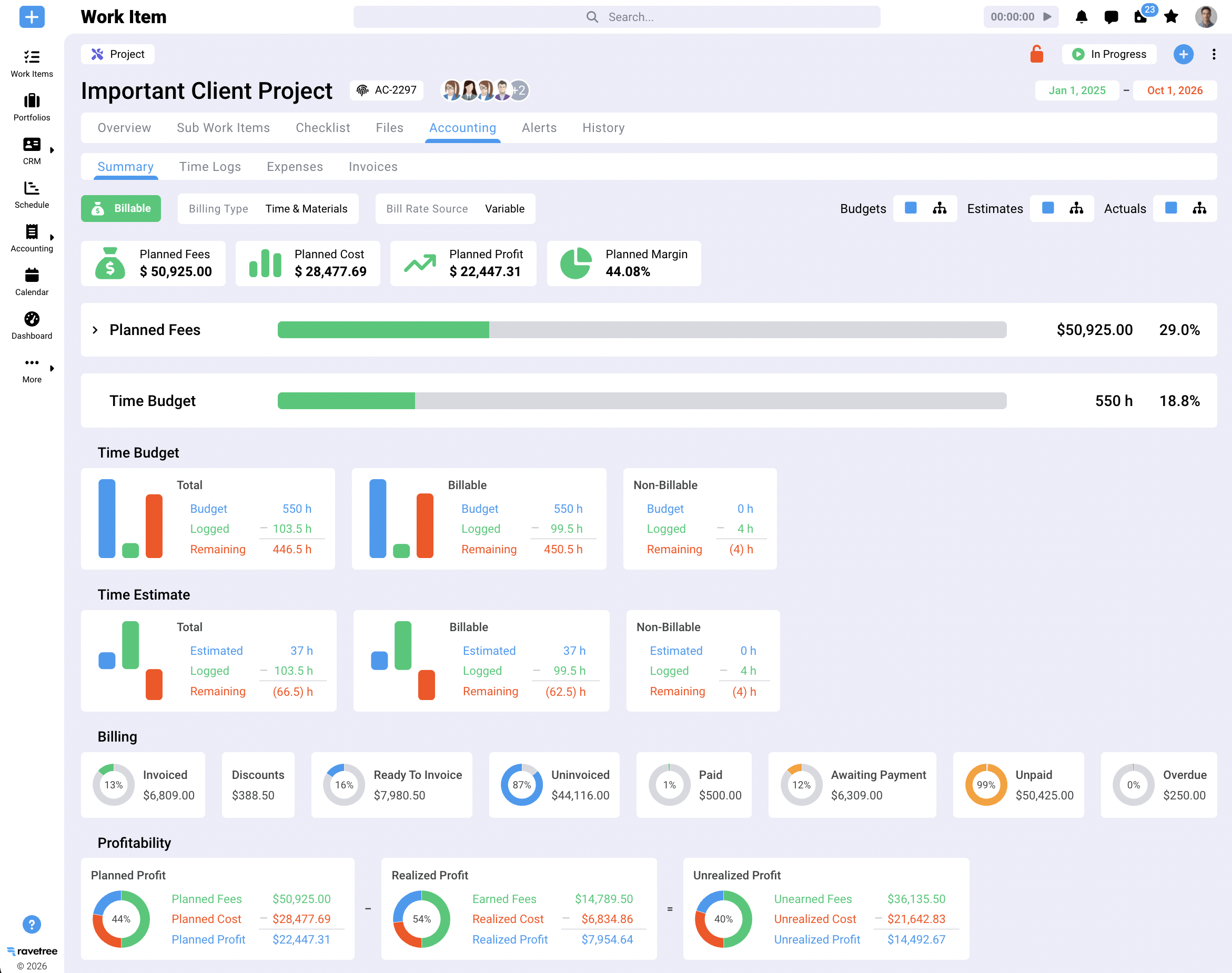
Ravetree takes the opposite starting point from Teamwork. Instead of beginning with tasks and adding money later, it treats a project as a commercial object from day one. Project management (Gantt, Kanban, sprints), time tracking, resource planning, billing and invoicing, a CRM, proposals and expense tracking all share one record. Clients get a client portal and can submit structured requests instead of emailing "one quick thing."
The practical payoff is that the retainer test from the checklist above passes without a workaround. Hours logged against a retainer draw down the right bucket, and the invoice comes from the same data the project manager sees.
Pricing is the other contrast with Teamwork: one tier, every feature included. The list price is $39 per user per month, with a lower annual rate shown on G2. There's no Scale-plan moment where resource management suddenly costs twice as much.
What do users say? Recurring themes in Ravetree's Capterra reviews are responsive onboarding and support, and the relief of replacing several tools with one. A senior project manager who moved over from Scoro singled out how smooth the transition was. A training-firm principal who had previously left ClickUp praised the Gantt, time tracking and billing features, and noted that a CRM came included.
2. Wrike
Best for: in-house marketing and creative teams with heavy approval workflows.
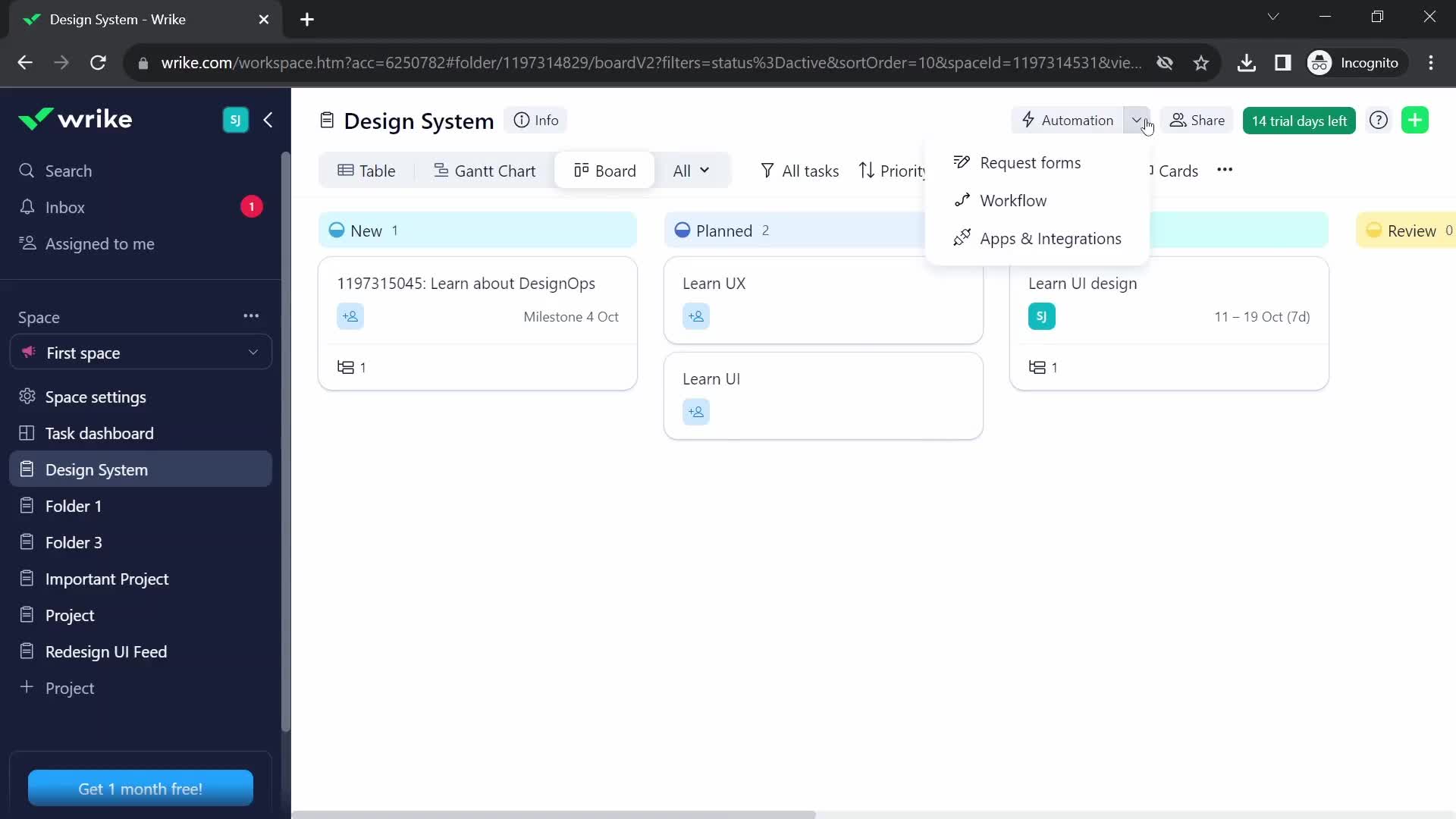
Wrike is strong where Teamwork is middling: intake forms, proofing, multi-step approvals and cross-project dashboards for large teams. If your "clients" are internal departments and your biggest headache is review cycles, it's a serious contender. Where it struggles for agencies is the commercial layer. Budgets and resource views exist on higher tiers, but invoicing isn't the point of the product, so you'll keep a separate billing system.
3. Basecamp
Best for: small studios leaving because Teamwork feels like too much.
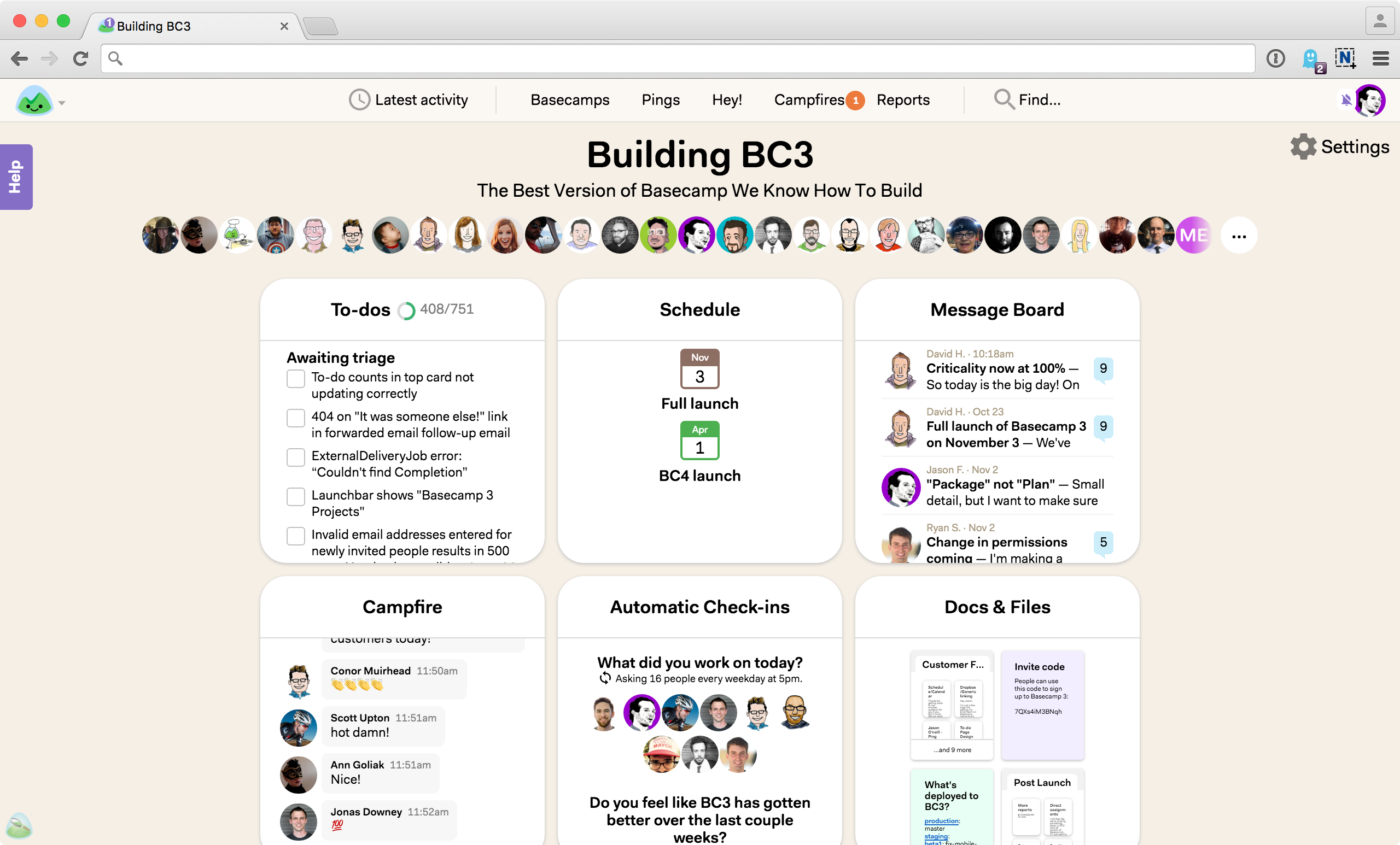
Basecamp is the calmest tool on this list, and that's the whole pitch. Pricing is famously simple: Plus at $15 per user per month or Pro Unlimited at $299 per month billed annually for unlimited users, with clients and guests free. Above about 20 people, the flat plan undercuts nearly every per-seat competitor. The trade-off is blunt: no budgets, no capacity planning, and time tracking only through an add-on. Choose it to reduce noise, not to answer margin questions.
4. ClickUp
Best for: tinkerers who want to build their own system and have someone to maintain it.
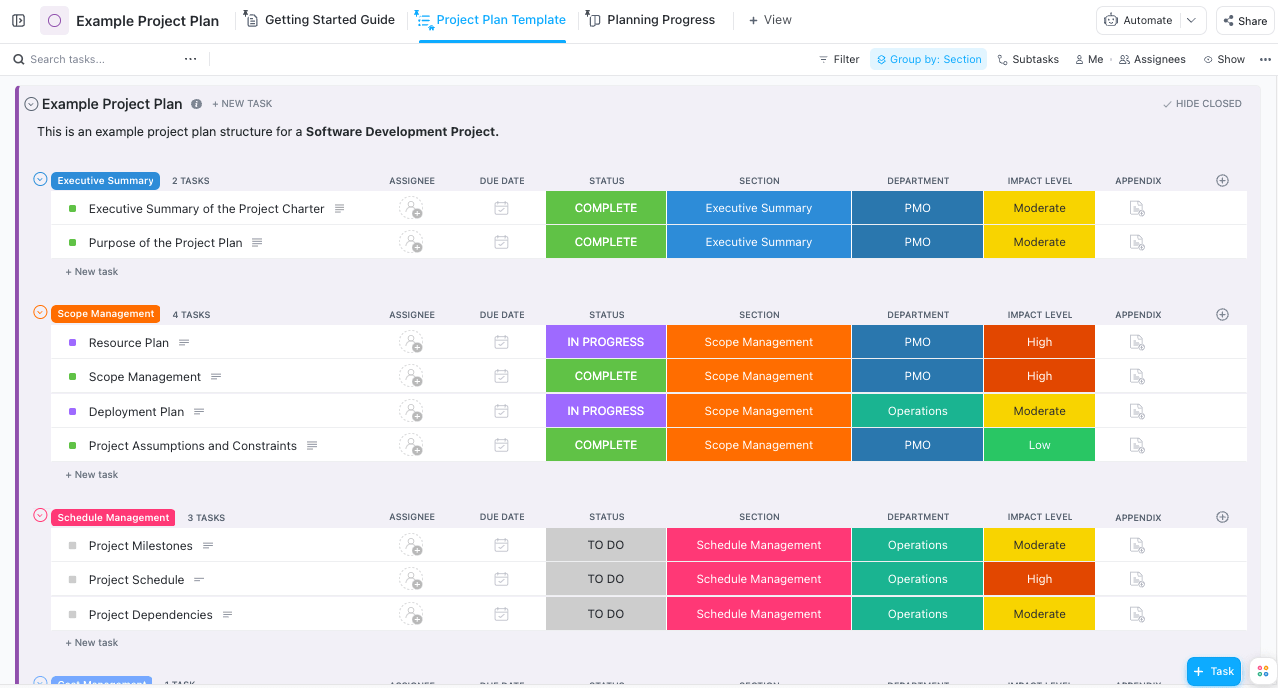
ClickUp can be configured into almost anything: docs, whiteboards, goals, time tracking, dashboards. That flexibility is real, and so is the cost of it. The training-firm principal mentioned above left ClickUp precisely because the team found it confusing and slow to set up. If you move from Teamwork to ClickUp, budget time for an internal owner, or you'll recreate the same mess with more options.
5. BigTime
Best for: consulting, accounting and engineering firms that bill by the hour.
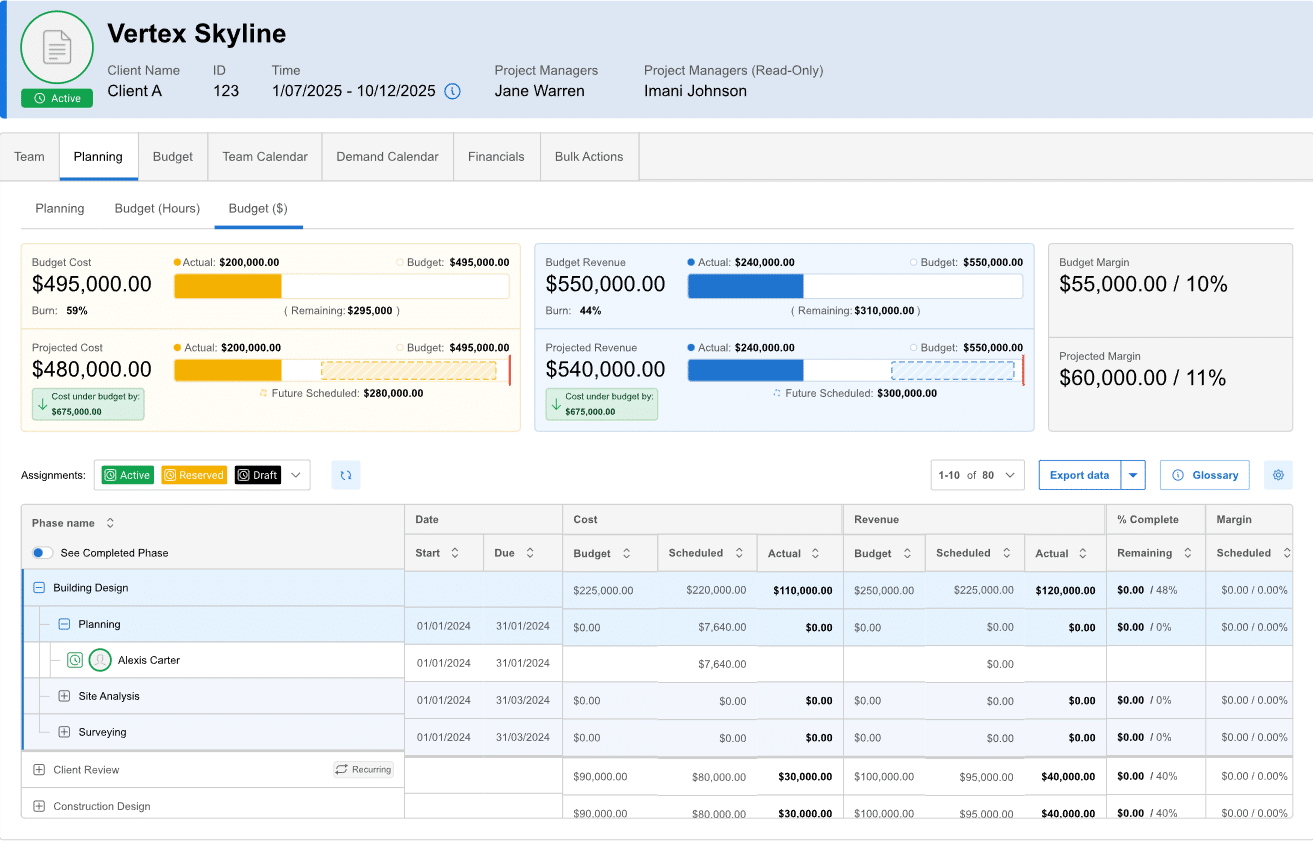
BigTime is a PSA tool first, with strong time capture, rate management, approvals and QuickBooks-friendly invoicing. Capterra lists Essentials at $20 per user per month, Advanced at $35 and Premier at $45, and resource planning only appears in Premier, which matters if capacity is why you're leaving Teamwork. Task management is serviceable but plain, so creative teams sometimes find it dry.
6. Celoxis
Best for: IT services firms and PMOs that think in portfolios.
Celoxis combines project portfolio management with resource management, project accounting and a client portal, and it's one of the few options here that still offers on-premise deployment. It suits organizations with formal project governance. Agencies that live on quick-turn creative work tend to find it heavier than they need.
7. Scoro
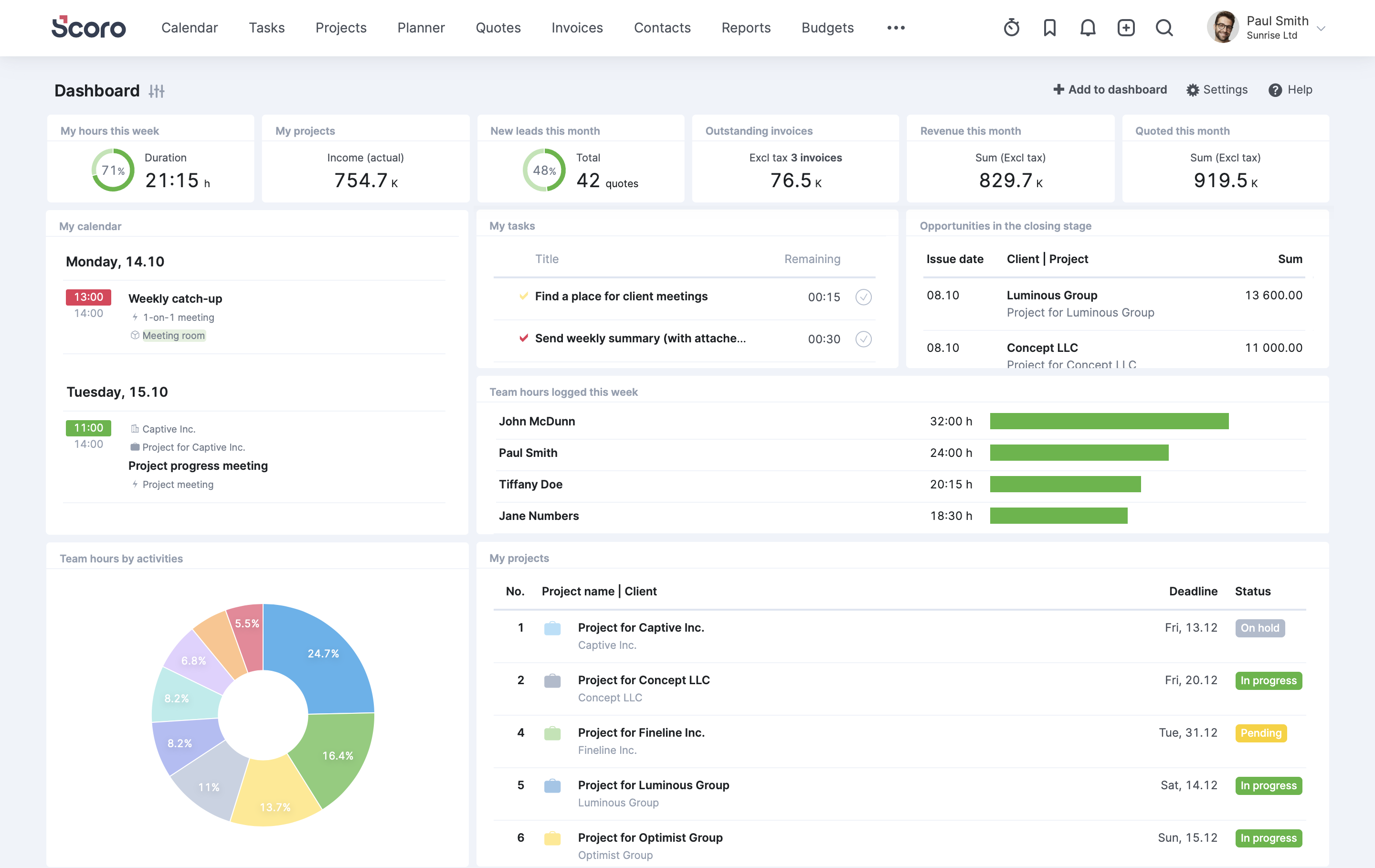
Best for: agencies of 15+ that want quoting, CRM and delivery in one place and can live with tiered pricing.
Scoro is a genuine all-in-one agency platform, which puts it in a different league from task tools. Read the price sheet carefully, though. Third-party trackers list Core from $19.90 per user per month billed annually, Growth at $32.90 and Performance at $49.90, with a five-seat minimum. The financial reporting and resource planning most Teamwork leavers want sit in the upper tiers, so you may trade one tier jump for another.
8. Accelo
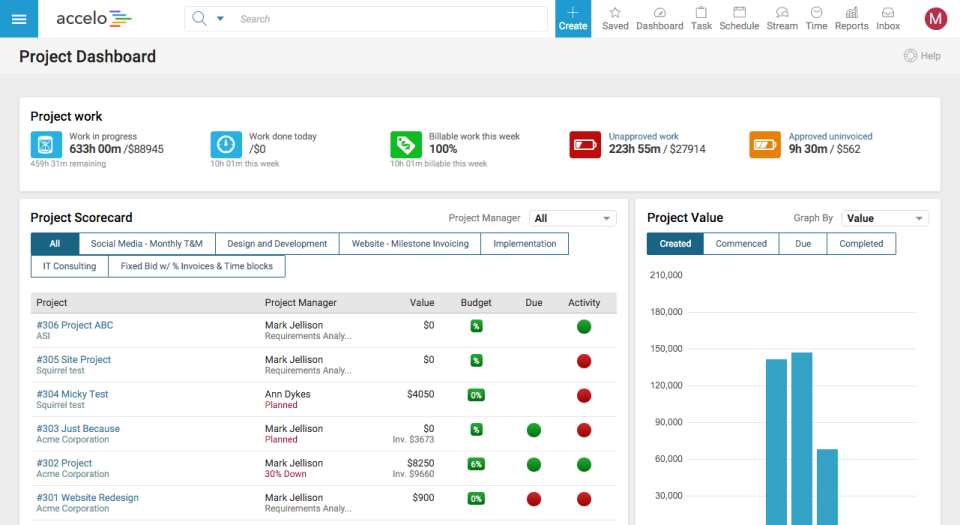
Best for: firms whose real pain is the sales-to-delivery handoff.
Accelo connects quotes, projects, tickets and retainers in a quote-to-cash flow, and its retainer handling is a strength. It has moved to quote-based pricing, so budget a sales call before you can compare numbers. Expect a heavier implementation than Teamwork, and plan for someone to own configuration once it's live.
9. Kantata
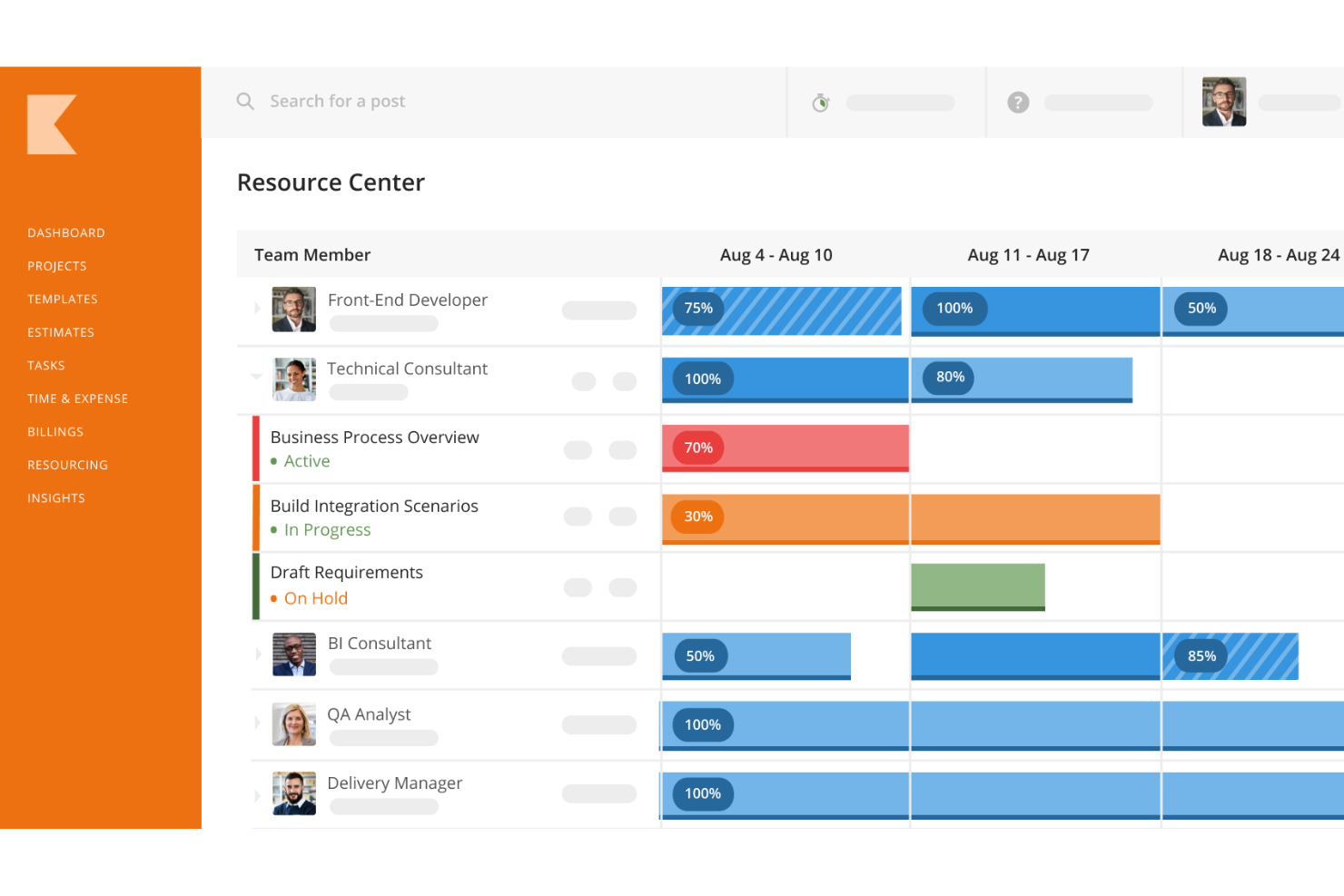
Best for: large consultancies with a dedicated operations or PMO function.
Kantata (the former Mavenlink and Kimble) is enterprise PSA: skills-based staffing, revenue forecasting and margin reporting at serious scale. That depth comes with setup work, and reviewers keep raising the learning curve. Ravetree's look at Kantata against Teamwork for professional services firms covers the adoption risk in detail. Short version: great for a 400-person firm with an admin, risky for a 40-person firm without one.
10. Synergist
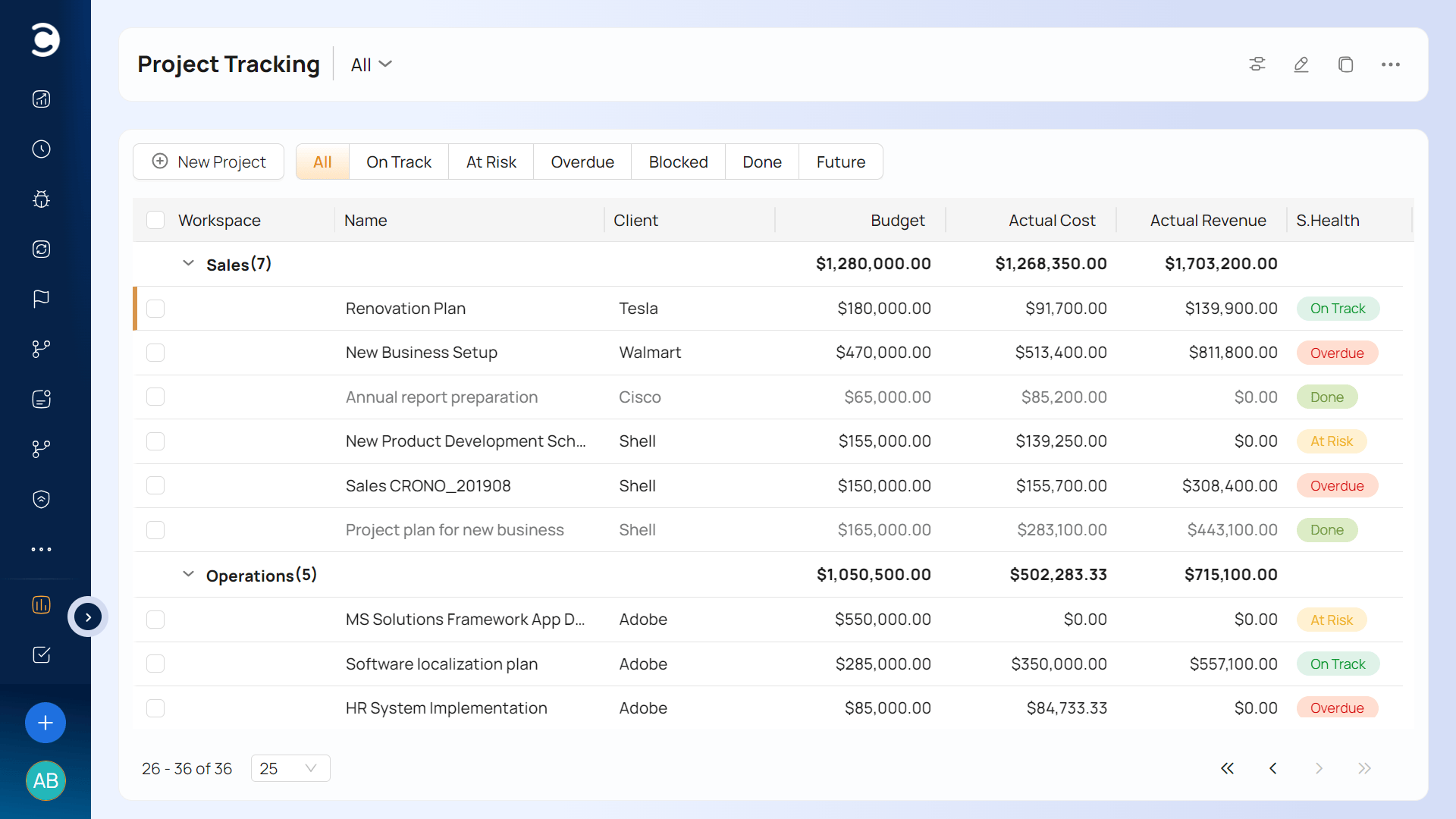
Best for: UK-based creative and marketing agencies.
Synergist is built specifically for agencies and covers CRM, job costing, resource planning, timesheets, expenses, billing and reporting, with per-user pricing across three tiers. Its job-based model will feel familiar to anyone from a traditional agency background. It has a much smaller footprint in North America, so check local support and accounting integrations before shortlisting it.
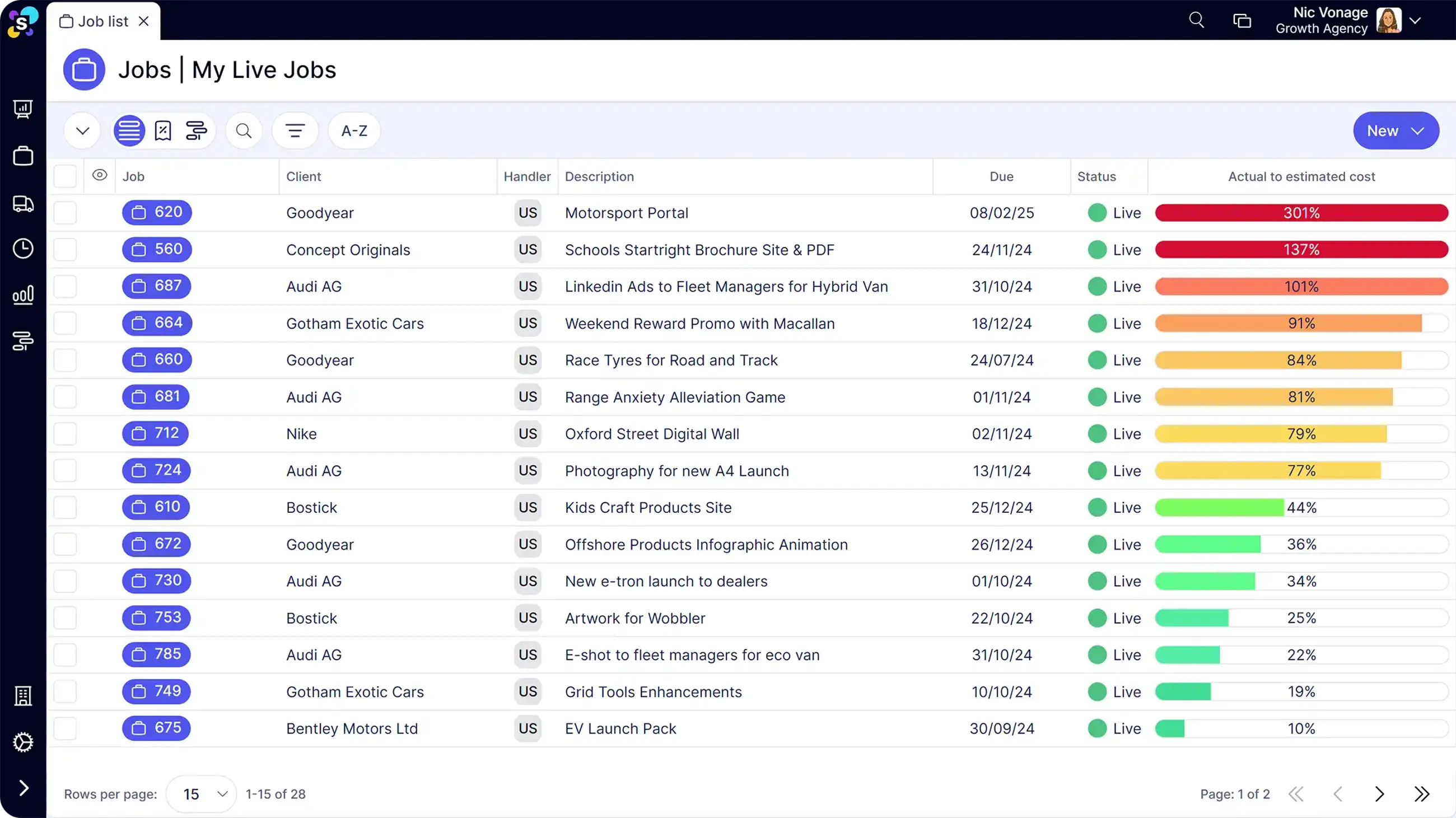
11. Harvest
Best for: teams that only needed Teamwork's timer and invoices.
Harvest remains one of the cleanest time trackers around, and its invoicing is simple to run. Note the ownership change: Bending Spoons acquired Harvest in July 2025, and pricing has since moved to a per-seat rate plus usage-based fees. Pair it with a task tool and you have a lightweight stack, but you're back to two systems, which is the exact problem many Teamwork leavers are trying to solve.
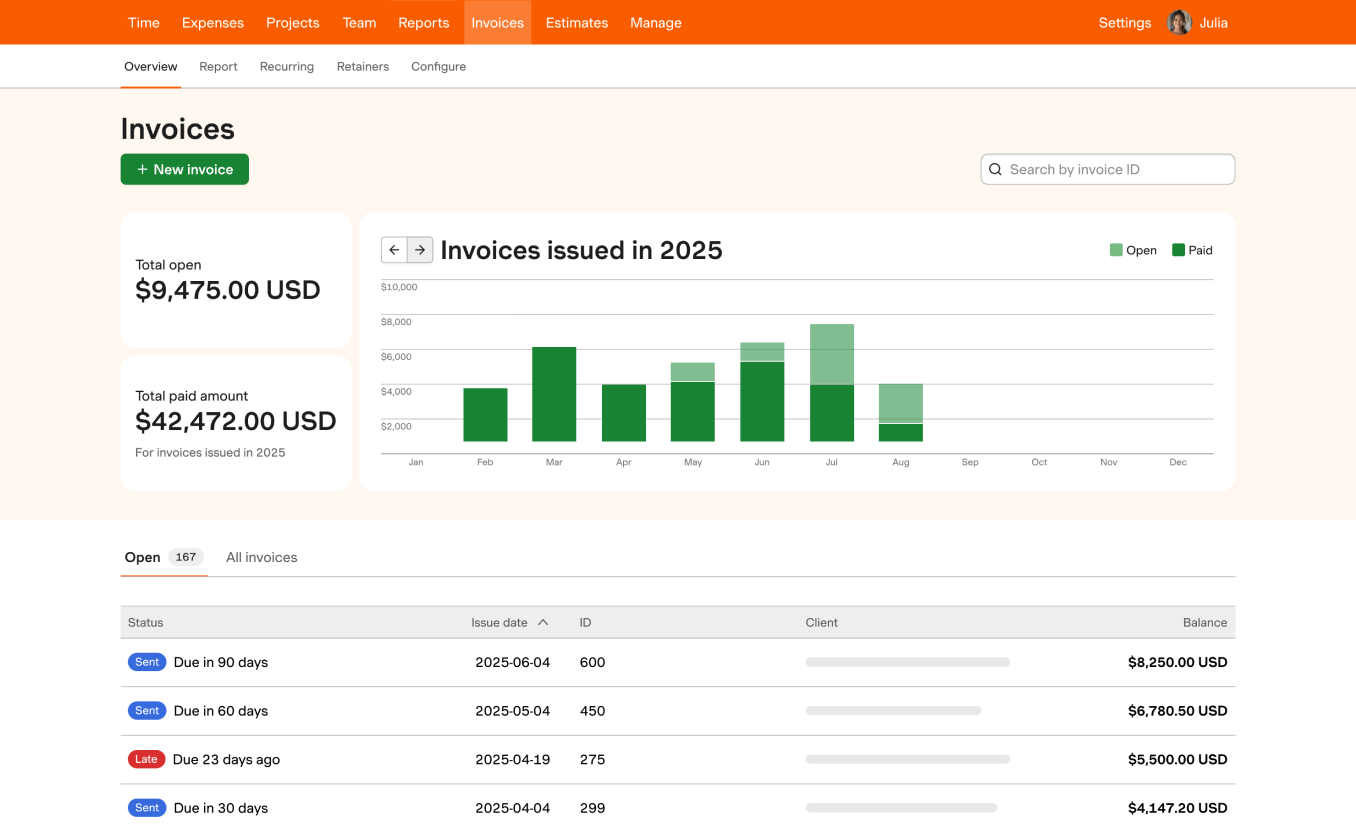
12. HaloPSA
Best for: managed service providers and IT support businesses.
Halo is a ticketing-first PSA with contracts, SLAs, asset management and billing in one per-agent price. Its calculator showed $99 per agent per month at 10 agents, with required onboarding on top. That's excellent value for an MSP and a poor fit for a design agency, because the workflow assumes tickets rather than creative projects.
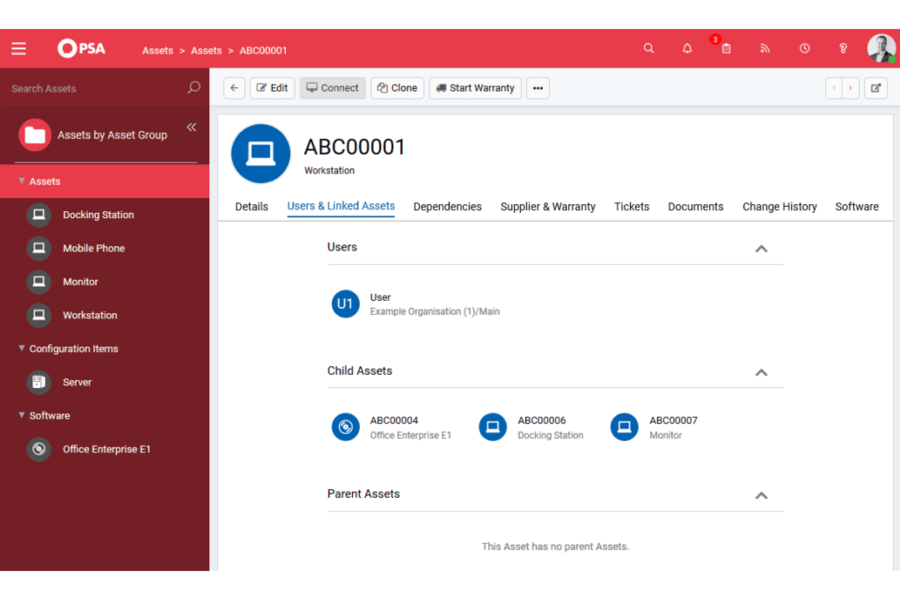
13. Monday
Best for: teams that want visual boards and automations and will keep finance elsewhere.
Monday is easy to like in a demo and adapts to almost any workflow. Two pricing details catch people out: paid plans start at $9, $12 and $19 per seat on annual billing, with a three-seat minimum, and Standard caps automations at 250 actions a month. There's no native invoicing, so agencies usually bolt on time tracking and billing apps.
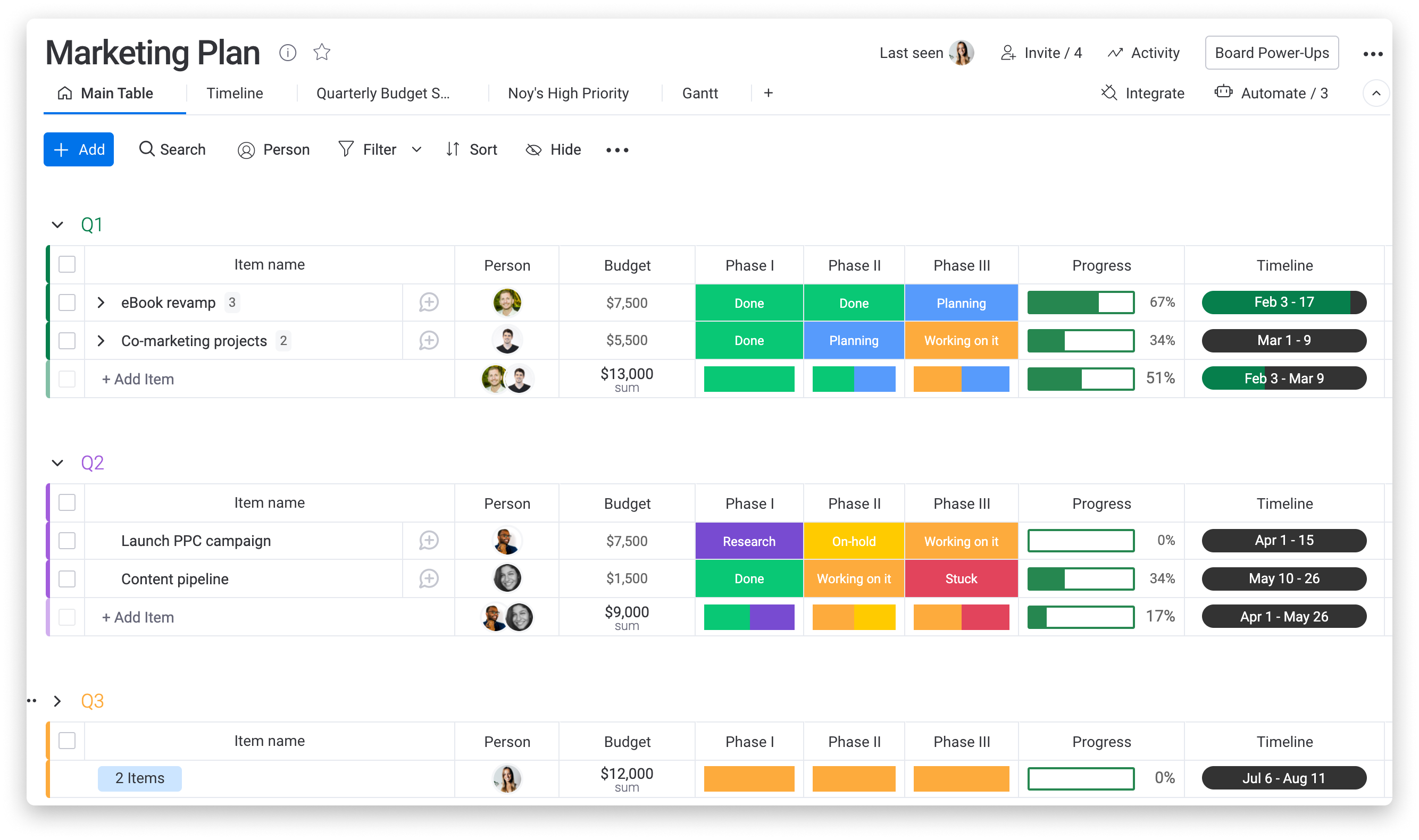
14. Toggl
Best for: small teams that value painless time entry above everything.
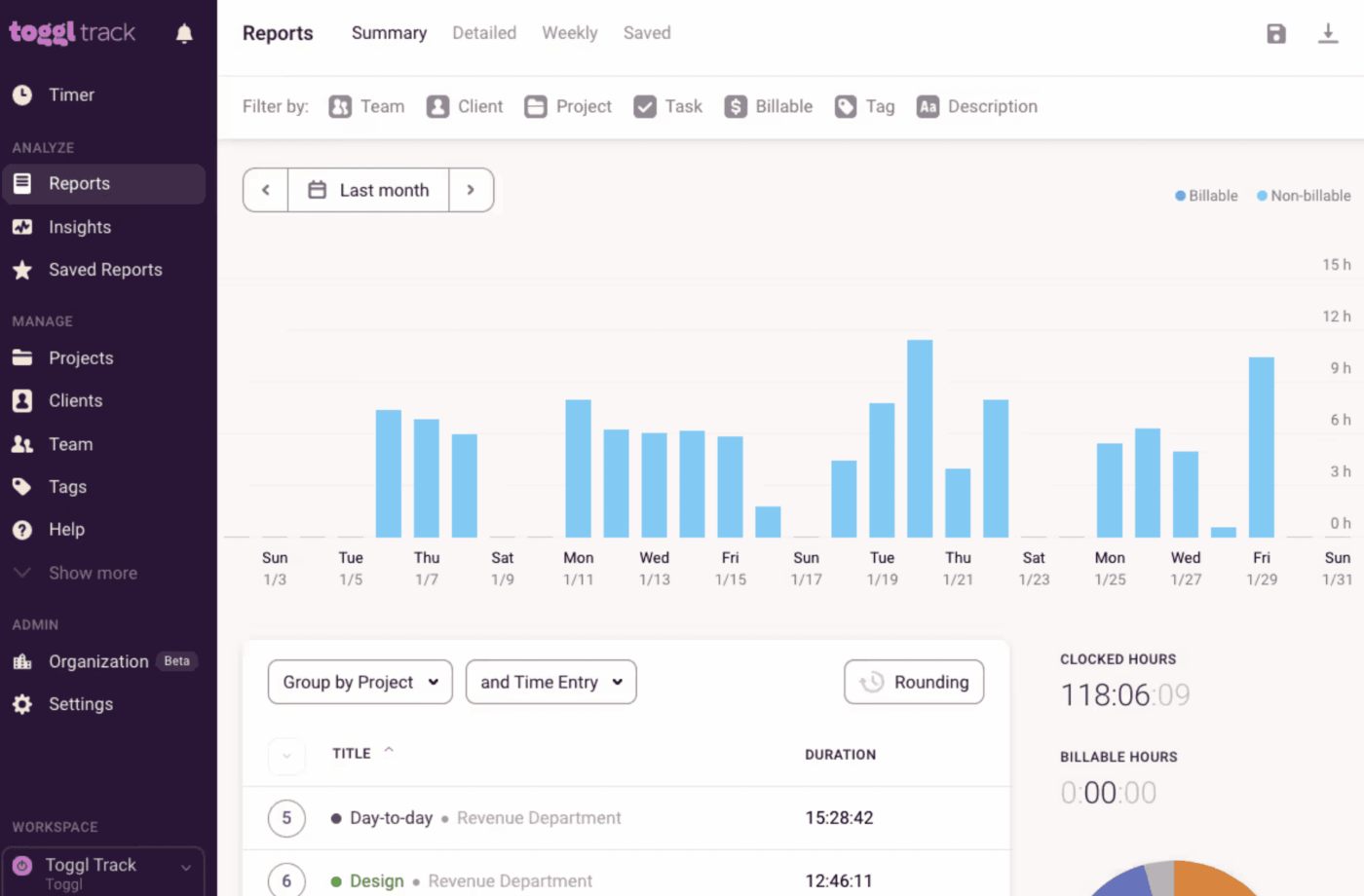
Toggl Track is arguably the least annoying timer on the market, and that matters, because time data is only as good as people's willingness to log it. Its planning tools are light. Use it when your project complexity is low and your main concern is capturing billable hours, not when you need budgets tied to delivery.
15. Smartsheet
Best for: operations-heavy teams that think in spreadsheets.
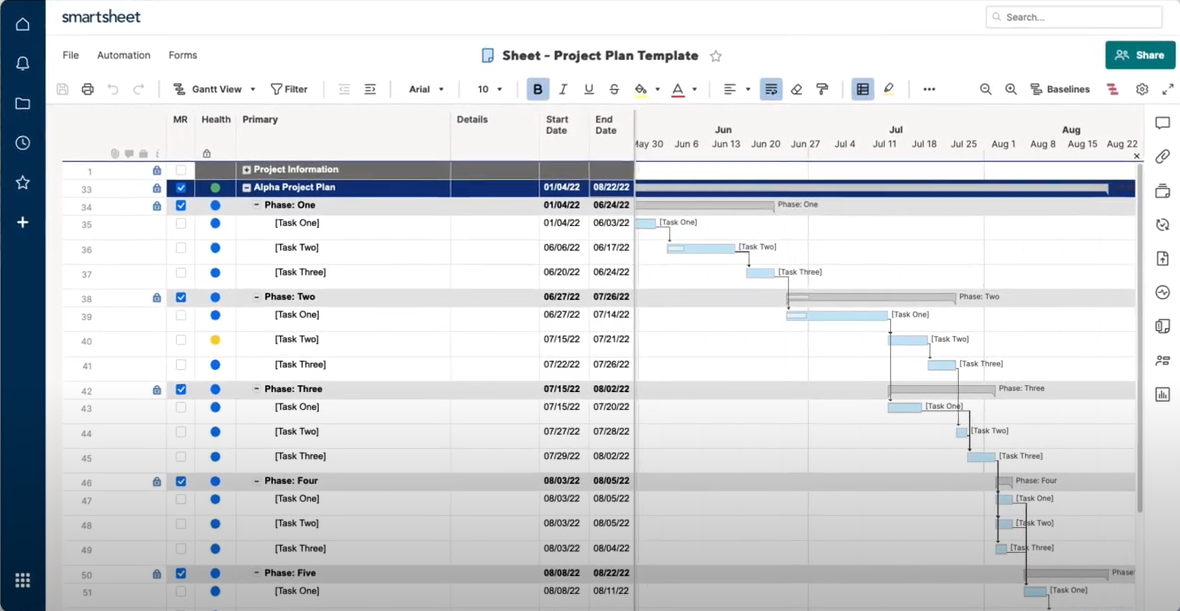
Smartsheet gives spreadsheet people Gantt charts, automations and reporting without asking them to learn a new mental model. Pro is $9 per member per month and Business $19 billed annually, with Business requiring at least three members and free guests on top. Resource management is an add-on, and agency billing isn't native.
16. Asana
Best for: internal teams coordinating cross-functional work.
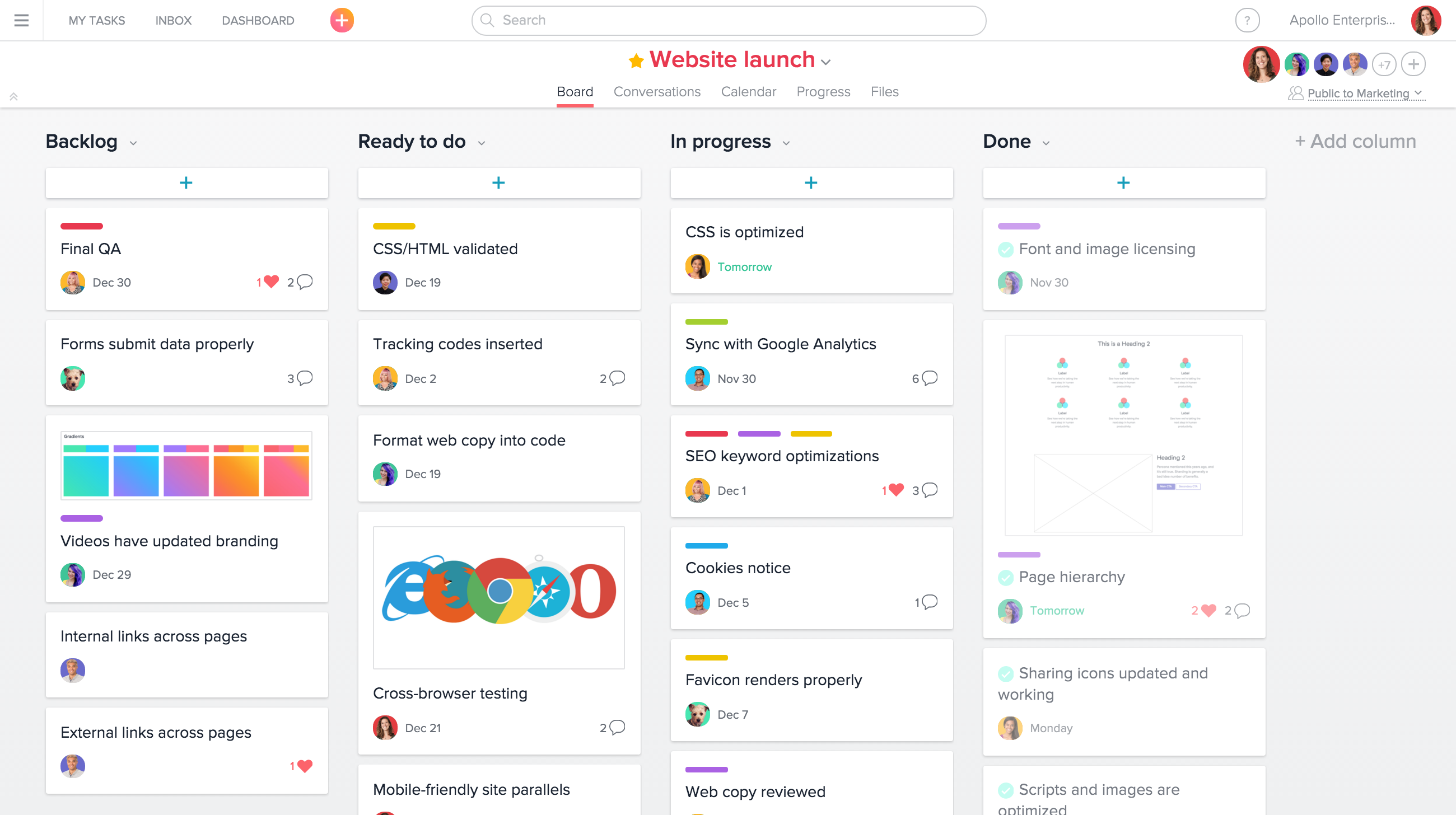
Asana is polished and widely adopted, with goals, portfolios and workload views on its upper plans. It's excellent for coordination and weak for client finance: no invoicing, limited budgeting, and no retainer logic. For a services firm, Asana answers "is it done?" beautifully and "did it make money?" not at all.
Picking from the list without buying the wrong category
Sixteen options is a lot, but your departure reason collapses it fast:
- Leaving over money visibility? Shortlist Ravetree, Scoro, Accelo, Synergist and BigTime, and add Kantata only if you have a dedicated operations team.
- Leaving over price at scale? Model Basecamp's flat rate, Ravetree's single tier and monday.com's seat minimums at your real headcount before anything else.
- Leaving because Teamwork felt heavy? Basecamp, Toggl or Harvest will make life quieter. Just accept that margin reporting moves to a spreadsheet.
- Not an agency at all? Wrike, Asana, Smartsheet, Celoxis and ClickUp fit internal teams; HaloPSA fits MSPs.
One warning that rarely makes vendor comparisons: the cheapest migration is the one you only do once. Swapping Teamwork for another task board solves this year's renewal and leaves next year's finance problem untouched. If profit questions are why you're looking, an all-in-one agency operations platform is the category to test first, and Ravetree's case for itself as an all-in-one Teamwork replacement explains that operating-model argument in more depth.
Run the five checks from earlier on your top three, with your own messiest project as test data. Of the 16 Best Teamwork Alternatives in 2026, the right one is whichever passes those checks with the least workaround, and for most agencies weighing Teamwork alternatives because of retainers, rates and capacity, that's Ravetree.
Frequently Asked Questions
Which Teamwork alternatives include invoicing without a second app?
Ravetree, Scoro, Accelo, Synergist, BigTime and HaloPSA all bill from inside the product. Basecamp, Wrike, ClickUp, monday.com, Smartsheet and Asana need a separate invoicing or accounting tool.
Is a flat-rate tool like Basecamp cheaper than per-seat Teamwork alternatives?
Usually only above about 20 users, and only if you don't need budgets or capacity planning. Below that, per-seat pricing often costs less, and any savings vanish if you have to add a time-tracking and billing stack on top.
How long should a trial run before deciding?
Two weeks with real data is enough to expose most problems. Log a full week of time, bill one retainer, and rebuild a finished project, because those three tasks show more than any vendor demo.
What should I migrate from Teamwork first?
Active projects, open retainers, rate cards and the last quarter of time entries. Archive closed projects as exports instead of moving them.